Through its portfolio of 12 projects, the Paludiculture Exploration Fund (PEF) is demonstrating that farming on rewetted peat is both technically feasible and commercially credible in the UK.
The £5 million grant scheme, supported by Natural England, was launched in 2023 to address the key barriers preventing the uptake of paludiculture – or wetter farming – as a sustainable and profitable land use on lowland peat soils. Collectively, PEF projects are generating the evidence, infrastructure and confidence needed to support a transition away from carbon-intensive drained peat farming.
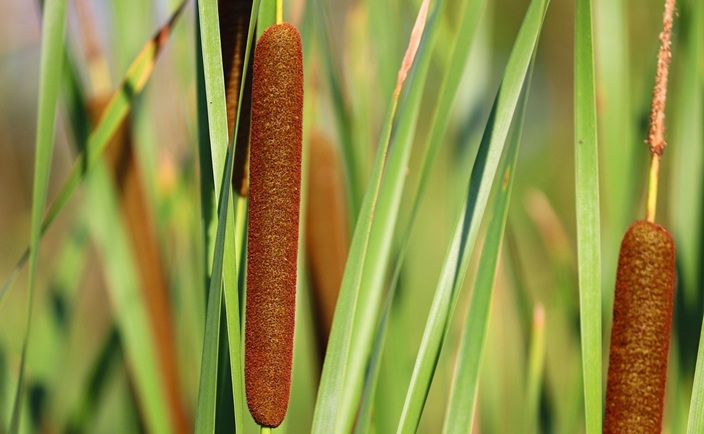
PEF has supported some of the UK’s first field-scale trials of wetland crops grown under raised water tables, including Typha (bulrush), sphagnum moss, willow, and intensive vegetable crops. Trials across Somerset, Lancashire and Norfolk confirm that wetter farming systems can operate successfully on rewetted peat soils while delivering significant reductions in carbon dioxide emissions.
New potential supply chains
Funding through PEF has helped establish the UK’s first integrated and scalable Typha supply chain, spanning seed establishment, harvesting, processing, drying and storage. This has unlocked downstream market opportunities, including textile applications such as BioPuff – a sustainable alternative to synthetic fibres and goose down used in insulated clothing.
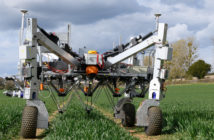
In 2025, the UK’s first machine harvesting of Typha seedheads took place, using custom-built harvesters. These PEF projects have also delivered low-impact crop establishment techniques and post-harvest drying, storage and processing systems with digital monitoring, demonstrating how existing farm machinery can be adapted for wetter farming conditions.
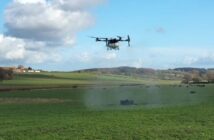
PEF-backed projects have shown how heavy-lift drones can safely operate on rewetted and otherwise inaccessible land. A major milestone was the UK’s first Civil Aviation Authority approval for Beyond Visual Line of Sight (BVLOS) agricultural operations in an Atypical Air Environment, opening new possibilities for crop sowing, monitoring and land management on wet peat.
Robust evidence on emissions and productivity
Evidence from PEF projects shows greenhouse gas emission reductions of up to 47% in some field-scale horticultural crops. The programme has also highlighted practical challenges, including water management, machinery operation on wetter soils and yield reductions in some situations. This growing evidence base will help land managers understand how effective wet farming and paludiculture can be at reducing their carbon emissions.
More than 30,000 hectares of fenland have been mapped to identify where paludiculture, wetter farming and peatland restoration are most viable. This work is supporting strategic decision-making by landowners, advisors and policymakers.
A PEF-funded project led by Vitagrass Farms (Holker) Ltd in Cumbria, in collaboration with Savills, explored the commercial potential of paludiculture alongside a small-scale crop trial.
A key outcome was the identification of six ‘champion crops’, including sphagnum moss for horticulture and peatland restoration, and Typha for fibre production in textiles and insulation, as well as biomass for energy.
Dr Elizabeth Stockdale, head of farming systems research at Niab and PEF coordinator, says:
“PEF is helping to shift paludiculture from small-scale experimentation towards a credible, scalable peatland economy. By reducing emissions, restoring peat soils and opening up new rural markets, wetter farming can play a central role in the future of sustainable land management.”
Jim Milner, Natural England PEF manager, says: “We’ve become very good at taking water out of the landscape, now we want to use that wealth of water management knowledge to retain water. The ask is to retain water, and carbon, and PEF is showing that we may be able to do this with viable economic cropping.”
“The Committee on Climate Change targets rewetting and managing 60 per cent of UK lowland peatlands by 2050 through sustainable wet farming, embedding paludiculture within national Net Zero pathways. We’ve come a long way but we have a lot further to go.”