
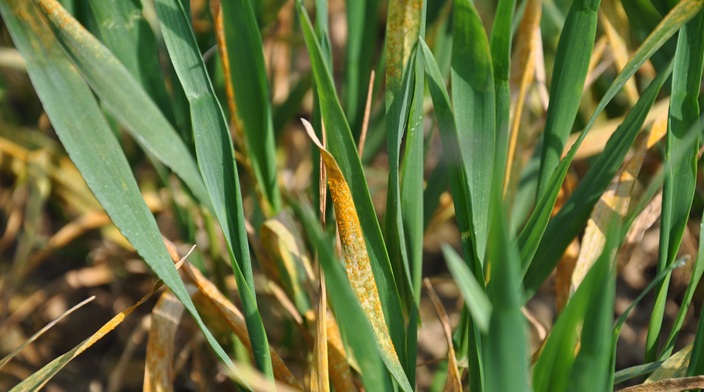
In response to the yellow rust strain that has overcome the Yr15 gene, the UK Research and Innovation (UKRI) and Defra have awarded a Rapid Response grant to a collaboration of industry partners.
The group combines pathology, genetic and genomic expertise from the John Innes Centre, NIAB, and the Wheat Genetic Improvement Network (WGIN) led by Rothamsted Research.
The research focuses on identifying new sources of yellow rust resistance from the historic Watkins collection of wheat landraces. Using advanced genomic tools, the team will pinpoint resistance genes that can be introduced into modern wheat varieties, reducing reliance on fungicides and strengthening long-term crop resilience.
Rothamsted’s role is to connect cutting-edge science with practical crop improvement. Through the Wheat Genetic Improvement Network, we are supporting rapid knowledge exchange between researchers and breeders, helping ensure that new resistance traits can be deployed quickly in varieties grown by UK farmers.
The project also links with international partners, including CIMMYT, to ensure that newly identified resistance genes can be used beyond the UK as yellow rust strains continue to spread.
By mobilising rapidly and working collaboratively, the partners hope to safeguard UK wheat production against an evolving disease threat and build resilience into future crops.