
With sugar beet prices not overly exciting, getting agronomy just right to maximise output and tip the balance further to profitability will be key.
That is the message from ProCam’s sugar and fodder beet technical manager, Jim Nutting, who says growing beet is a well-trodden path. But there are agronomic tweaks that can help improve profitability, he says, not least this season against several possible threats.
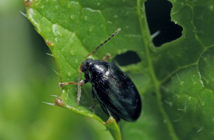
“Potentially the biggest threat is virus yellows,” says Jim. “The BBRO forecast has put the risk as higher than last year in the East and North. With neonicotinoid seed treatment not available, the crop will be more exposed to the aphid-borne virus.”
Locally, Jim urges growers to be extra vigilant with beet crops planted after late-destroyed cover crops, or near to late-lifted beet crops, as both harbour overwintered aphids.
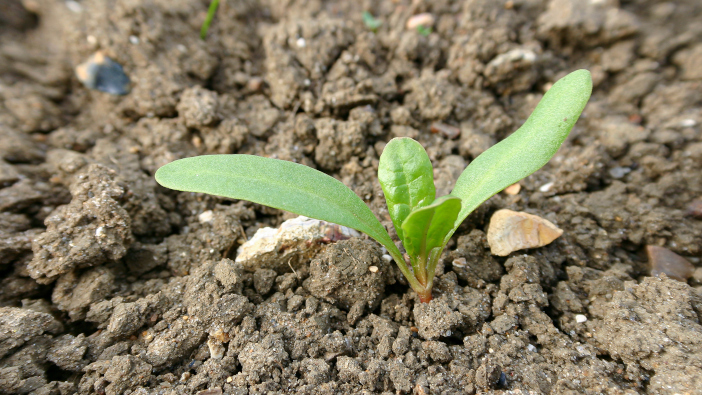
“Another key consideration is crop size. Before 12 leaves, beet is more susceptible to virus yellows. So later-drilled crops that are still small when aphids arrive are at greater risk.
“If the technique of drilling beet into sacrificial rows of spring barley is used, this can buy some time as aphids seem to prefer the barley. But the barley must be removed at 2-3 leaves to avoid it outcompeting the beet.
He prefers not to use pyrethroid aphicides because of resistance and he points to good, non-pyrethroid options, allowing varied modes of action. “They’re not all approved in both sugar beet and fodder beet, and I save those that are kinder to beneficial organisms to when beneficials are about. So seek guidance on which to use when.”
The number of aphicide sprays in programmes will depend on aphid thresholds being reached, says Jim, with lower thresholds in younger crops. “By 16 leaves, plants should be pretty much immune to the virus, but that stage might not be reached until June.
“Also, aphicides usually need dedicated application timings and higher water volumes than herbicides, which is crucial for spray coverage as young beet plants are a small target,” he adds.
Don’t neglect micronutrients
Also important for giving beet the best start and healthy growth, says Jim, is correct nutrition. Macronutrient needs are well known, but do not neglect micronutrients and biostimulants, he urges.
Beet tends to suffer from manganese deficiency, so he typically applies manganese and magnesium early. If boron wasn’t in the base fertiliser, it’s usually also needed. Then he feeds magnesium throughout the season.
“I also find beet responds well to a biostimulant. It helps to get the crop growing but also tends to improve it through the season. Zodiac is my benchmark – it contains seaweed extract and amino acids for reducing crop stress.
“Beet can get stressed by cold spells, herbicides or drought. So I often suggest three spring applications, then another with the first fungicide, typically late July, when crops can be coming back under stress.”
Disease threats
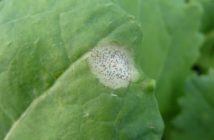
Besides mildew and rust Jim says an emerging risk is Cercospora. A problem in Europe, there are concerns the UK has developed a strain adapted to our climate, he says, and concerns about fungicide resistance.
“Cercospora thrives in warm, humid conditions, including foggy weather or dews. Sign-up to BBRO’s Cercospora Watch for text alerts on the disease. Fortunately, some fungicides active against powdery mildew and rust are also active on Cercospora, but it’s important to choose the correct one and practice resistance management.”