
As climate change brings more frequent heatwaves and droughts, scientists are looking for crops that can cope with tougher growing conditions.
New research highlights camelina (Camelina sativa), a traditional oilseed crop, shows the potential of how plants can adapt – and how that knowledge could help future farming.
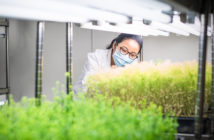
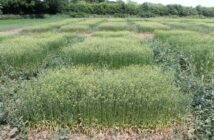
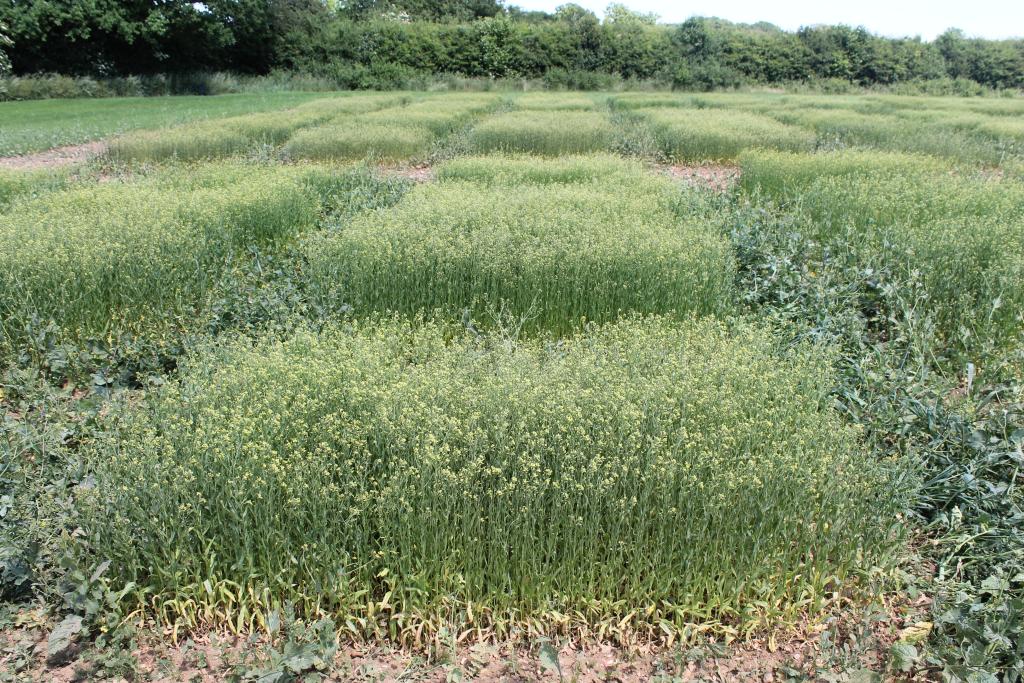
Working with partners across Europe, the EU-funded UNTWIST project examined a panel of 54 diverse camelina lines for their response to heat and drought stress, in both controlled environments and farmers’ fields across Europe.
Surprisingly, despite a lack of genetic diversity in camelina, the results showed significant plasticity in the way each line responded to stress, demonstrating that camelina is not only resilient to the effects of climate change, but individual varieties also reacted in very different ways. A result that could offer farmers in different regions a tailored solution to the climate challenge.
Looking inside the plants revealed that heat and drought triggered distinct changes in plant chemistry – some plants adjusted their metabolism strongly under stress, while others relied more on physical and physiological changes.
At the molecular level, camelina adjusted sugars, amino acids, antioxidants and lipids, and remodelled fatty acids in leaves to maintain cell function. Several metabolites and fatty acids were identified as reliable indicators of stress response, providing potential markers for crop improvement. Importantly, these different strategies revealed a high degree of plasticity, meaning camelina can deploy multiple ways to cope with challenging conditions.
Furthermore, when tested in field trials, camelina lines that showed greater metabolic flexibility as young seedlings in controlled environments often performed better in the field, even under challenging conditions.
Combining controlled environment studies with real world field testing allowed researchers to understand more about how plants cope with stress.
Dr Susana Silvestre, lead author on the study, said: “By linking early plant responses measured in the lab with performance in the field, this research provides a practical framework for breeding more climate-resilient crops. While camelina is a niche crop, the lessons learned could support wider efforts to diversify farming systems and make agriculture more robust in the face of climate change.”
This research tells us that resilience is not about a single “stress-tolerant” trait. Instead, plants that can adjust their biology in multiple ways are better able to cope with unpredictable weather. The study also showed that genetics alone cannot fully explain how crops perform under stress – environment, management and plant responses play a major role.