
2025 results from the Yield Enhancement Network (YEN) prove that high pulse performance is possible, even in the most difficult of years.
Despite the dry spring, two Pea YEN entrants recorded yields in excess of 6 t/ha in 2025 – one of these (6.7t/ha) was the highest ever recorded in Pea YEN.
With beans, yields of over 7 t/ha were recorded in 2025. The current Bean YEN record yield stands at 9.1 t/ha for a winter bean crop in 2024.
Results from last season show that crop height and biomass were lower than average, low pod set and seeds per pod led to less seeds set, indicating sink limitation and the ability to fill seeds (TGW) was lower than average, indicating a source limitation as well.
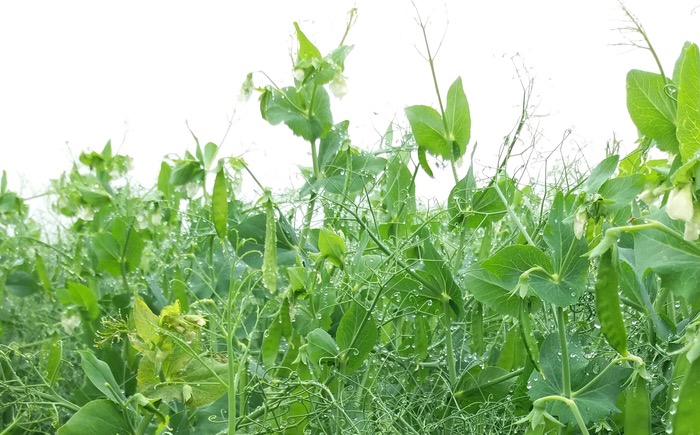
ADAS crop physiologist Dr Tom Wilkinson notes that, generally, high-yielding pulse crops have larger biomass per ha, with larger, taller individual plants. These went on to set more seeds per ha. They often received additional nutrition (particularly organic matter) and higher investment in crop protection strategies.
Although it is worth noting that higher pulse yields might draw more on canopy nitrogen reserves during grain fill. Crops should be monitored for active modules and supported for biological nitrogen fixation by ensuring optimum conditions if necessary.
Still more to learn as Pea and Bean YENs continue
With much more yet to learn about pulse yields, the Pea and Bean YEN will continue
in 2026. Any growers involved will receive a comprehensive benchmarking report detailing how their pulses performed compared to other pulse crops in the YEN.
Yields are made from different physiological traits – plants/m2, shoots/plant, pods/shoot, seeds/pod, seeds set/m2, and seed size. All these traits are measured in the benchmarking report, allowing growers to track their pulse crop performance year on year and see what agronomy decisions led to better results.