
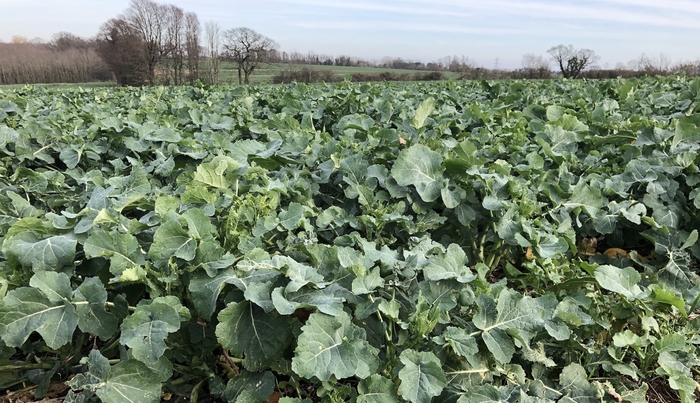
As harvest approaches, the latest cabbage stem flea beetle (CSFB) stem larvae survey is providing further evidence that confidence is returning to UK oilseed rape, suggests United Oilseeds.
Carried out by Niab, the survey asked 100 growers from across the UK to submit 10 oilseed rape stems from each farm during March. Every sample was carefully examined by the Niab team to determine the number of cabbage stem flea beetle larvae present, with each participating grower receiving their own individual results.
For the second consecutive year, larval numbers have remained consistently low across the vast majority of farms surveyed. While a small number of individual sites recorded higher pressure, the national picture closely mirrors last year’s results, with significantly lower levels of CSFB than those experienced during the most challenging seasons.
United Oilseeds Managing Director James Warner believes the results should give growers confidence as they begin planning for this autumn’s drilling. “Seeing low larval numbers for a second consecutive season is genuinely encouraging. Combined with stronger crop establishment, improving confidence and positive gross margins, the signs are there for more growers to bring oilseed rape back into the rotation.”
However, maintaining that progress depends on continuing to adopt the practical measures that have emerged through industry collaboration.
One of the most important opportunities comes immediately after harvest. Research led by Colin Peters at Niab has shown that carrying out a shallow cultivation of oilseed rape stubbles to around 30 mm as soon as possible after harvest can reduce the number of emerging adult flea beetles by 50–90%.
By disrupting the insects as they pupate in the soil, growers can significantly reduce the population emerging later in the summer and help lower pressure on the following crop.