

The AHDB’s first harvest report of 2026 highlights how another year of exceptionally hot and dry weather has impacted the harvest period.
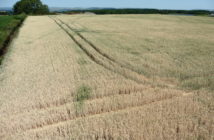
It is the earliest harvest since the AHDB started recording harvest dates, with many farmers across the South and East of England completing harvest two to three weeks ahead of the long-term average.
It is also one of the poorest. Winter wheat yields so far range from 3.9 to 11.5 t/ha, highlighting the differing growing conditions experienced across regions and farm types during the season. Crops grown on lighter soils have generally been more affected by prolonged dry conditions than those on heavier land.
However, the estimated average to date is just 6.8 t/ha, a whole tonne behind the ten-year average.
As expected, all other cereals are down, although winter barley yields are only just short of the ten-year average. The only upside is OSR, at 3.9 t/ha it is up 0.4 t/ha on the ten-year average.
New AHDB director of cereals and oilseeds Anthony Hopkins said: “While it’s encouraging to see oilseed rape yields improving on average, cereal yields have generally been below the ten-year average so far, with some farms experiencing significant reductions.
“Following successive years of difficult weather and rising costs, the financial pressures are becoming increasingly acute for those businesses hardest hit.”
The weather data shows July 2026 as the driest July on record for England and Wales. For some southern and eastern counties, July 2026 is the driest month ever, with less than 2.0 mm of rain.
Whether it will be one of the driest years on record remains to be seen. James Lester of WeatherQuest says we will have to wait to see what Autumn and early winter will bring and points to a particularly wet start to the year.