
Select chemistry carefully when managing weeds in Sustainable Farming Incentive (SFI) mixes is the message from Hutchinsons technical manager, Dick Neale
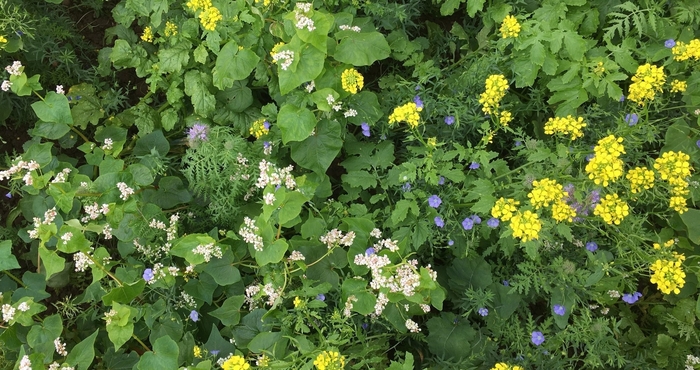
He warns that conventional agronomy does not apply to managing multi-species covers. “There are big differences in the spectrum of plants that different chemistry controls, or not, which has implications for the vigour and diversity of cover mixes. If a dominant species, such as plantain, is removed or lost from a mix, that gap will be filled by other species, and not necessarily anything that was sown.”
Pre-emergence products based on cinmethylin + picolinafen, and aclonifen, diflufenican + flufenacet, for example, did an excellent job against most grasses, and early control of plantain, however the void left by removing plantain was filled by species such as wild carrot, clover and chicory, he said. In contrast, some chemistry allowed plantain and other species to dominate, while being stronger on other plants. Such differences in the spectrum of control from herbicides could be used to help manage weed pressures in covers where permitted, and in crops following stewardship options.
“Carefully selecting the correct mix of species can also help address background weed populations, but try to avoid sowing covers into very weedy sites in the first place,” he cautions.
Environmental services specialist Matt Powell agrees. When deciding what mix to grow, he advised farmers to carefully consider what species were in the mix, and what volunteers could come through to following crops if they went to seed, as this could influence both the most suitable mix and the following crop. He also recommended avoiding weedy sites and to establish mixes properly into sterile seedbeds to reduce weed pressure.
“Consider a legume fallow mix containing grasses if extra weed competition is needed.” In all situations, farmers were urged to select species that are suited to individual sites, and to the main aims they wanted to achieve, whether that was to provide food and habitats, improve soil health and structure, add fertility/organic matter, or a combination of aims.
“Pollen and nectar and flower-rich margins, for example, generally prefer lighter soils with lower fertility,” Matt notes.