
Growers should take advantage of February weather windows and keep on top of grassweeds. This was the advice from a recent weed control workshop, hosted by Bayer CropScience.
The weather helped keep weeds in check in the 24/25 season, and a kind autumn saw 25/26 season crops off to a good start and well-timed autumn herbicides have kept weeds in check.
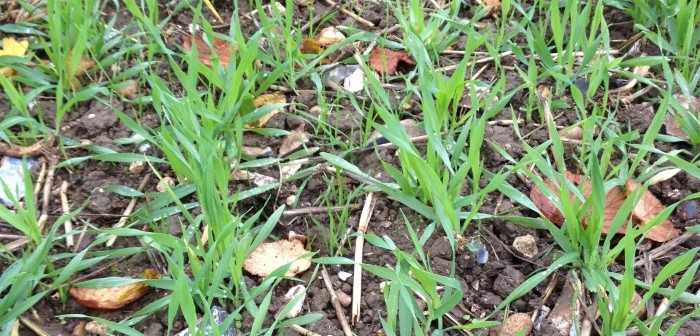
However, growers are advised that a flush will come and it could be sooner than some think. “Grassweed germination will occur at some time as dormancy breaks. For grassweeds already there, things get moving before many think. Wait and the target could have grown to the point where it could reduce herbicide efficacy,” noted ProCam’s head of technical development, Rob Adamson.
He hopes the competitiveness of many crops will be a benefit this spring, with the large canopies suppressing grass weeds and reducing the likelihood of spring germination, or at the very least – reducing the vigour of any grassweeds present.
Agrovista’s Chris Martin agrees and added that if the chance is there, take it and noted that despite several fine days last February, few sprayers were out. “Last season, we saw the best control in February. I understand why some will want to hang on, waiting for temperatures to rise and that perfect week, but by that time it can be too late. My view is tackle grassweeds when they are small. Some drilled in August, so focus on the grassweeds that have come through.”
Especially as herbicides like Atlantis Star (mesosulfuron-methyl + iodosulfuron) are less temperature sensitive and can be applied from February 1. “Some years back, Bayer researched February versus March applications using mesosulfuron-methyl + iodosulfuron and it showed greater efficacy when applied in cool, sunny conditions during February over March,” he noted.
Both understand the predicament many growers face. Depressed markets have further pressured cashflows, yet they agreed growers cannot allow the seedbank to build and undo the good work of previous years.
Rob said that growers have invested a lot of money getting this far and it is an easy option to say the money is spent and close in. However, for those with a blackgrass or ryegrass problem it is high risk. “For those who have used combinations or sequences of cinmethylin, flufenacet and aclonifen, then why risk falling at the last hurdle? It could be back to square one.”
ADAS weed expert John Cussans concurred, adding. “Just because we had a good year last year and low levels of seed return, growers need to remember some fields might not look so clean in a few months.
“I’m not expecting a ‘meltdown’ but equally growers need to get into fields to see what has worked and what hasn’t, and what is required now to minimise seed return.”