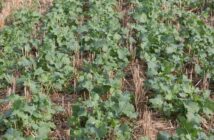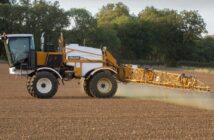


Trials with nitrogen-fixing bacteria-based technology have shown yield benefits with winter beans.
Recent trials work with the PGRO have shown that Vixeran treated crops retained more pods per plant and improved bean weight – the crucial components that lead to increased yields.
“Bean plants are naturally set up to work with symbiotic rhizobium bacteria they host in root nodules; Vixeran lives in the leaves and around the root to fix further atmospheric nitrogen into ammonium, which is readily available to the plant,” explains Syngenta technical manager, Simon Jackson.
“This can be especially beneficial where soils are inherently low in rhizobial bacteria, or where the nodules have been damaged by pea and bean weevil larvae.”
Syngenta recommends Vixeran from the 6 true leaf stage (BBCH16), through to early flower, although application conditions are more crucial than timing notes Simon. “The crops should be actively growing. Avoid application just before or after frost events, and aim to avoid treatment if periods of bright sunshine are forecast immediately after application.”
Simon points out that bean crops also respond especially well to sulphur supplements, which should be considered at the April timing along with magnesium. Trace elements such as manganese, boron and zinc should also be assessed, with leaf tissue analysis giving an indication of crop nutrient status.