
According to the UK Office for National Statistics, UK greenhouse gas emissions totalled 476mt carbon dioxide equivalent (CO2e) in 2024.
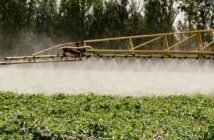
Defra’s 2024 agri-climate report estimated 10-12% of UK greenhouse gas emissions were down to agriculture. Much of that is methane production from intensive livestock, but nitrous oxide from fertilisers accounted for close to one-third. Carbon dioxide from fuel was also a key contributor.
However, it should be noted that of all the greenhouse gases, none are as potent as nitrous oxide, which also stays in the atmosphere for longer.
Liz Bowles of the Farm Carbon Toolkit explained to Agronomy Exchange delegates that despite the significant use of machinery, synthetic nitrogen fertiliser is the key source of emissions, estimated to be as high as 60%.
If the arable sector is to drastically cut emissions, she added, growers will have to take a more holistic approach to their operations, with a particular focus on soils. “Growers have to look at their nitrogen use efficiency, both in terms of nutrients applied but also, more crucially, by supporting enhanced soil health so plants can access more.”
Liz acknowledged that introducing cover crops or living mulches can be helpful, but she admitted it does have its complications. Soil Association trials with an understory of uncompetitive white clover had seen mixed results, with winter wheat yield losses recorded in some cases.
However, it doesn’t mean she is against the idea. “We just need to learn more about which varieties work best where,” she said.
Soil cover
Keeping soil covered for as much of the year as possible is key for Liz. She said a good starting point is to look at rotations, viewing them in the round with a focus on greater diversity and less emphasis on key cash crops.
Although more research is required into cover crop species and establishment, it is a significant part of a holistic approach. “After heavy rain had pounded soils through winter, those who didn’t have sufficient crop canopy – cover crop or otherwise – reported significantly more soil structure damage,” she said.
Not only do cover crops reduce the risk of anaerobic soils and nutrient loss, they also keep nitrogen in the soil for the following crop, helping to reduce synthetic fertiliser requirements.
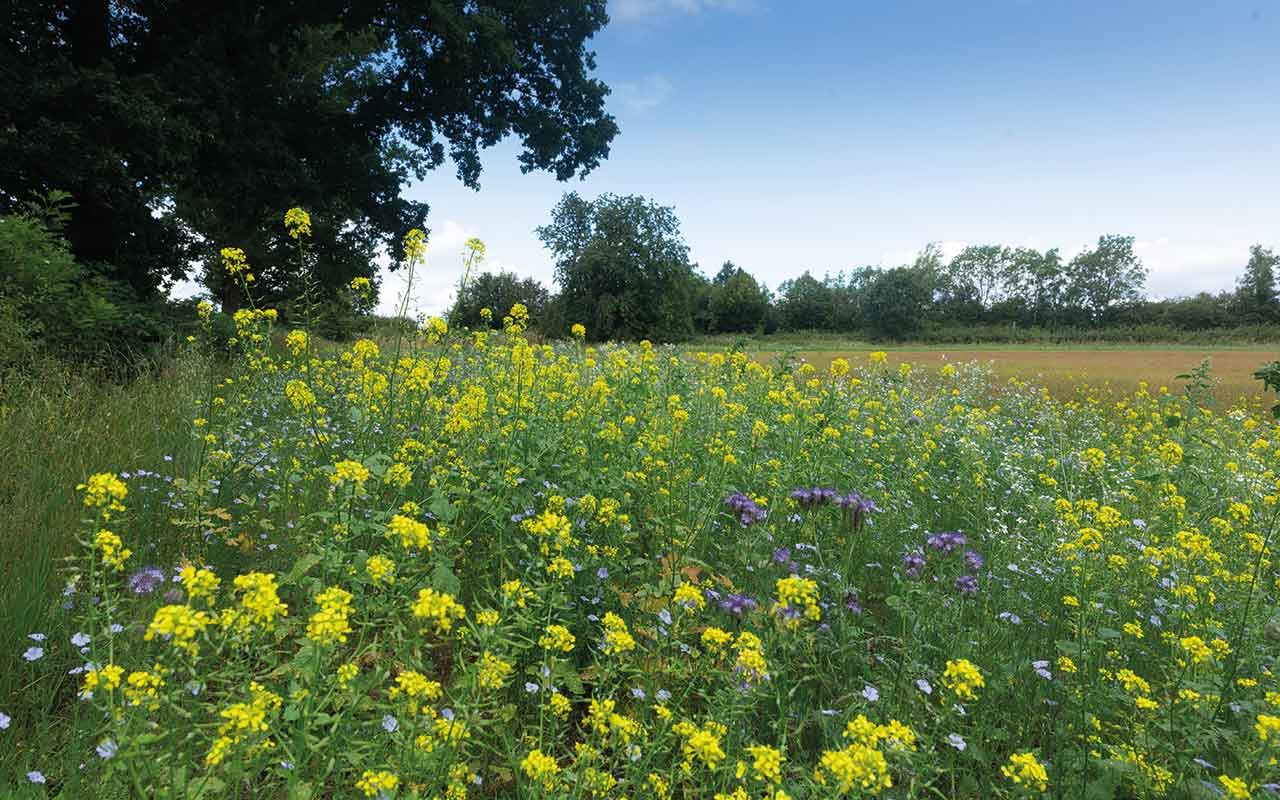
Controlling pollinator populations by repeated insecticide applications is bound to impair pulse crop performance © Tim Scrivener
Importance of roots
A move away from inversion tillage is also helpful, although Liz again acknowledged that doing so can have its challenges, depending on soil type and weather.
Her advice is to let roots do some of the work. Living roots in the soil with differing rooting depths will improve the biology and, ultimately, the structure.
This could mean introducing what some growers term ‘Cinderella’ crops. She acknowledged these can appear unappealing when looking at just the monetary value, with limited markets and low prices. But they have value for other crops because of the nitrogen they capture, or they support agronomics such as weed control. They can also reduce farm emissions – the introduction of beans into a five-year cereal rotation can lower overall arable emissions by 25%.
Market progress is also being made. Liz used the Nitrogen Climate Smart (NCS) project and Pulse Pioneers as examples of what the future might look like.
The NCS project has the ambition to shift the share of pulse and legume cropping in arable rotations from 5% to 20% and replace 50% of imported soya meal used in livestock feed rations with home-grown legumes. Doing so would bring a 3.4mt CO2e reduction/year.
She questioned whether ‘deforestation- and conversion-free soya’ is really that, pointing out that much of the area was deforested years ago.
Retailer movement
Retailers are starting to take note and putting pressure on their supply chains, with dairy processors leading the way to find more sustainable protein feeds.
At the moment, there is no premium for the reduced emissions associated with different livestock feed ingredients. Price is generally calculated based on availability and its contribution to least-cost ration formulation criteria. With more consumers taking an interest in how their food is produced, it could increase the pressure on retailers further, forcing them to look for more homegrown alternatives.
The combinable crops sector might be lagging behind, but it will follow. A number of brewers are keen to extol the virtues of sustainable ales. What started with craft ale and microbreweries has spread to mainstream brewers like Carlsberg.
Viewing pulses and the rotation in the round would help all crops in the rotation perform better. Many arable systems are handicapping the performance of niche crops. “You don’t need pollinators for wind-pollinating crops, but for beans they are essential. If pollinator populations are being depleted by repeated insecticide applications, it is bound to impair crop performance,” Liz said.
Pulse value
Regardless of what happens to UK pulse markets, widening the rotation and adapting the farming system will prove beneficial. A focus on carbon and reducing emissions is not just good for boosting resilience, but productivity and profit too.
Nitrogen-fixing pulses can significantly reduce the reliance on synthetic fertilisers. Research has shown the nitrogen they put back into the soil can reduce fertiliser application in a subsequent cereal crop by about 30kg/ha. “This is a significant saving and why growers need to consider their overall rotations,” Liz said.
Referring to the Farm Net Zero (Cornwall) project, she explained that the farm trials demonstrated the benefit of longer roots to move carbon down the soil profile, effectively capturing it more permanently. However, she also noted that the extreme weather the UK is increasingly experiencing is putting pressure on soil carbon stocks, even when land managers are following best practice. “It highlights the threat of degradation through extreme weather,” she said.
Dr Dannielle Robb of Ceres Rural noted that carbon is the foundation of soil health, crucial for the function of biology, but also physics and chemistry.
However, she explained that the carbon sequestration of farming systems will vary by farm. “The efficiency of an organic input will depend on the biology of the soil. The better the biology, the more effective it will be as a nutrient source and to promote carbon cycling.”