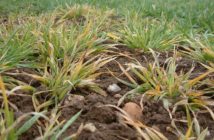

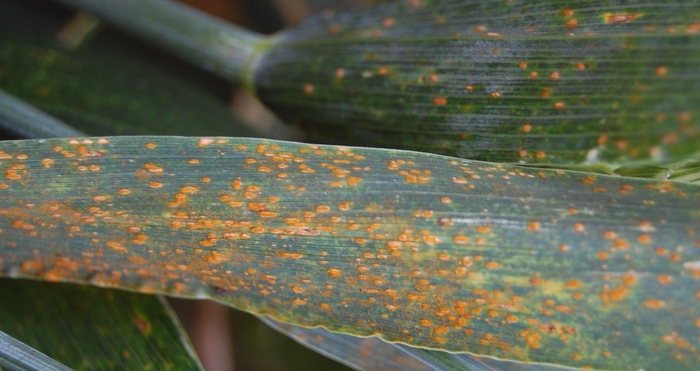
While T3 fungicides remain essential for controlling fusarium, microdochium and sooty moulds, growers should also pay close attention to rust management this season.
That’s the advice of Hutchinsons agronomy innovation director David Howard, who warns that the breakdown of Yr15 resistance in some wheat varieties, coupled with heightened brown rust pressure earlier this spring, could lead to increased disease pressure later in the season.
He also highlights concerns around increasing SDHI resistance in brown rust populations, potentially reducing the effectiveness of earlier fungicide programmes.
“Fortunately, many T3 products offering ear disease protection are also highly effective on rusts,” he explains. “Where a strobilurin application remains available, it can provide a valuable addition — but correct dose rates are crucial to maximise longevity and performance.
“Traditional azole-based T3 programmes remain a cost-effective option in lower-risk situations, particularly combinations such as prothioconazole plus tebuconazole.”
However, he advises that more robust programmes may be justified where septoria and rust pressure are building, including SDHI-based options or combinations containing fenpicoxamid and prothioconazole.
“For premium milling wheats, higher-rate pydiflumetofen programmes may offer additional value through improved fusarium control and grain quality protection.”
He also reminds growers to stay within maximum mode of action (MOA) guidance limits.