

The British Carrot Growers Association has warned that carrot yields are likely to be 15–30% below expectations this season, with some crops particularly badly affected where access to irrigation water has been restricted or exhausted.
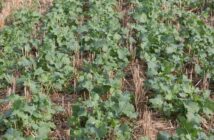
Early heatwaves during May and June caused serious establishment problems, killing newly germinated carrots in some areas and forcing growers to re-drill fields.
In addition to the cost of seed and field operations, crops planted later in the season are unlikely to achieve the yields originally anticipated. Subsequent periods of extreme heat and drought have compounded the problem, with growers irrigating crops more frequently than ever before in an effort to protect yields and quality. This has brought substantially higher costs for water, labour, fuel and machinery.
Rodger Hobson, Chair of the British Carrot Growers Association, said: “This has been an extraordinarily difficult growing season for many UK carrot producers. The heat in May and June hit crops just as they were germinating, meaning some growers had to re-drill significant areas at considerable cost. These crops are already at a disadvantage because the later establishment inevitably affects yield. Since then, the continuing heat and lack of rainfall mean many growers have had to irrigate more than ever before.”
The challenges extend across the wider root vegetable sector, with some parsnip growers reporting yields 25–60% below expectations, depending on soil type and location.
Rodger added: “There may be individual crops and areas that have performed better, but we need to be clear about the wider picture. For many growers this has been a very challenging and expensive season.
“We need recognition throughout the supply chain, and particularly from retailers, of the exceptional pressures growers have faced. British carrot production has to remain sustainable for the long term if growers are continually expected to absorb rising costs and the financial impact of increasingly volatile weather, then the viability of the sector may be in question.”