
Scientists have identified resistance to some SDHI fungicides, raising future concerns over the control of phoma stem canker.
Rothamsted Research screened populations of P. biglobosus collected from the UK and Poland. They found that 95% of UK isolates were resistant to the SDHI fungicides boscalid and fluxapyroxad, compared with just 6% of Polish isolates.
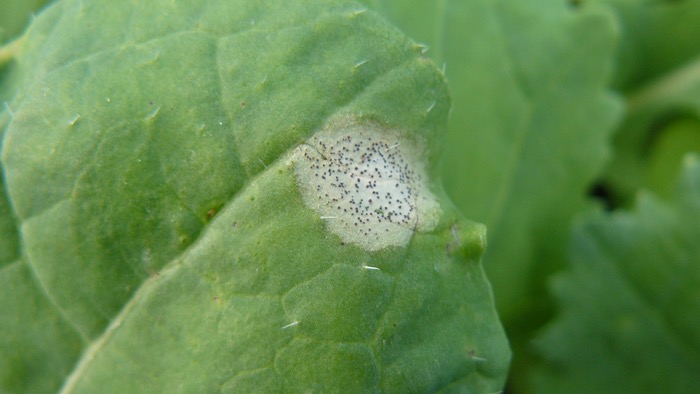
Phoma stem canker can cause substantial yield losses in oilseed rape and is caused by two related fungal pathogens, Plenodomus lingam and P. biglobosus. While P. lingam has historically received greater attention, P. biglobosus has become increasingly important in UK and European crops.
Some UK isolates showed up to a 500‑fold drop in efficacy under laboratory conditions, with resistance linked to mutations in genes encoding the fungal succinate dehydrogenase (SDH) enzyme. The study also found little evidence that these mutations reduce the pathogen’s fitness, suggesting resistant strains may persist in field populations.
“The scale of resistance we detected in UK populations was striking,” said Rothamsted’s Dr Kevin King, who led the research. “This is the first confirmed report of SDHI resistance in P. biglobosus anywhere in the world. Further research is now needed to determine what impact this may have on phoma disease control under field conditions.”
The findings follow recent Rothamsted reports of reduced sensitivity to azole fungicides in European populations of both Phoma stem canker pathogens, highlighting the growing importance of resistance monitoring and integrated disease management strategies.
“This work highlights the importance of ongoing surveillance,” said Professor Jon West, co-author of the study. “SDHI-resistant P. lingam has recently been detected in Australia but not yet in Europe. Monitoring both phoma pathogens will provide early warning of emerging resistance threats and help protect the long-term effectiveness of fungicides.”