

Seven British businesses have won a share of £560,000 in government funding to develop space and AI technologies that could transform British farming, driving economic growth and nature recovery.
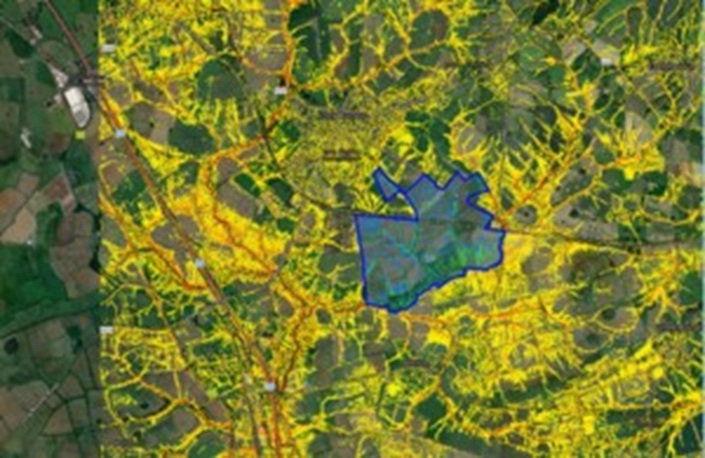
The funding was awarded following a pioneering ‘hackathon’ run jointly by the Department for Environment, Food and Rural Affairs (Defra) and Innovate UK, which brought together government, industry, and academia. Projects were challenged to use satellite data and artificial intelligence to tackle real-world agricultural and environmental challenges.
Selected from a field of 50 applicants, the seven winning companies will each receive £80,000 in Space Commercialisation Credits that will provide the hands-on business and technical support needed to accelerate their technologies to market.
According to Defra, space technology investment offers exceptional economic returns, suggesting £8.20 flows back into the economy for every £1 invested.
Of the seven companies, Defra rated three as ‘standout’, these are:
- x10NI, which builds digital farm simulations to give farmers real-time data to manage soil health, cut input costs and keep environmental reporting on track
- Gentian, which uses AI-powered satellite analysis to track wildlife habitats and biodiversity changes, making environmental risk assessments faster for developers and reducing reliance on expensive site visits
- Ocean OS, which uses satellite data to automatically map marine habitats and species, giving regulators the information they need to approve offshore wind farms faster and get clean energy projects built sooner.
Defra’s Science Minister Dame Angela Eagle said: “Space data and AI are transforming how we produce food and grow our economy. These seven teams have shown what is possible when government, industry, and academia work together.”
The announcement builds on the £120 million in productivity and innovation grants announced by Environment Secretary Emma Reynolds at this year’s NFU Conference.
The Farming Innovation Programme has supported over 630 organisations and committed more than £165 million in funding to research and development, attracting over £58 million in private investment to date.