
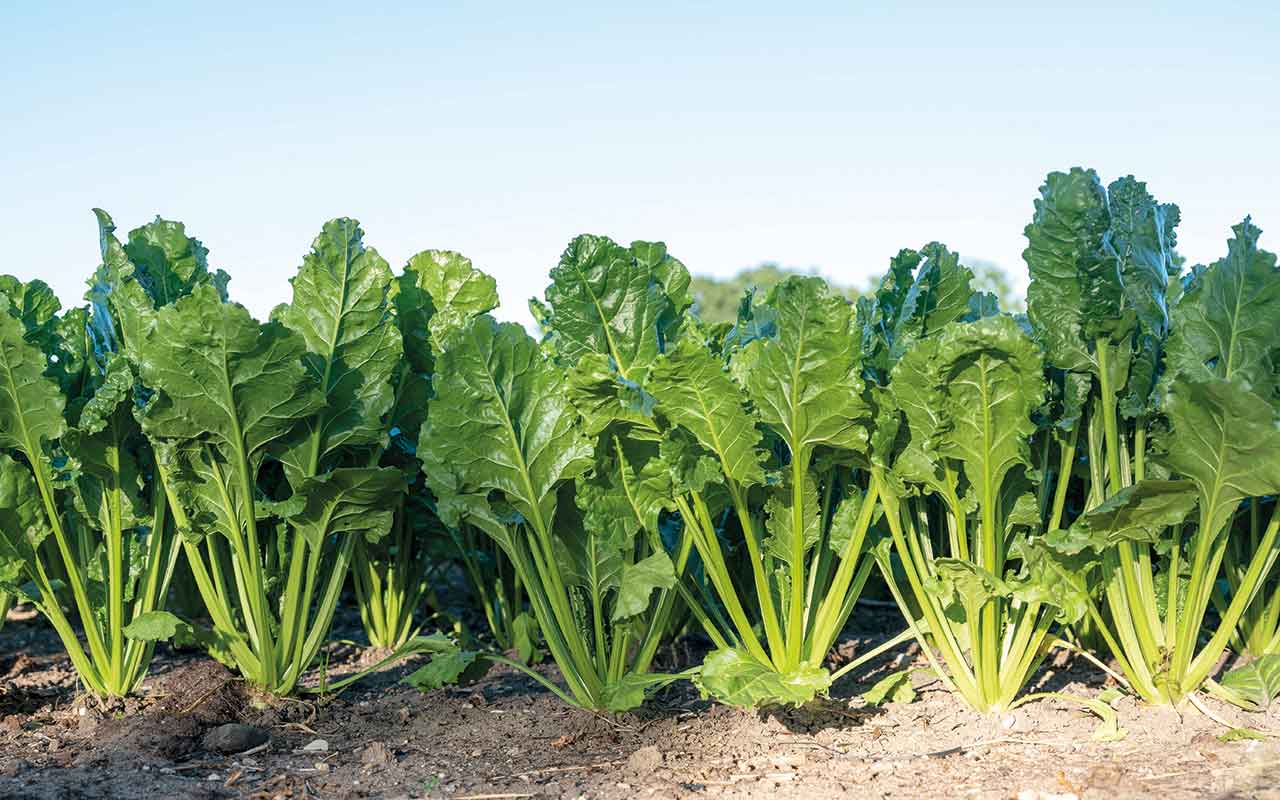
Growers could see a repeat of 2020 this season when it comes to the virus yellows threat to sugar beet. Then, 38.1% of the national crop was infected with virus, estimated to have cost growers £43m and British Sugar a further £24m.
The 2020 epidemic was caused by early and sustained aphid pressure, with the first virus symptoms observed by mid-June. Widespread symptom development continued throughout the summer, with infection levels varying between the four factory areas, ranging from 7%
at Cantley to 61% at Wissington.
Again, aphids have appeared early, and it is possible that it could be the shortest gap for some time. The projected first aphid flight was 22 April, 20 days earlier than last year (the actual aphid flight date was actually six days earlier than this), and the average plant date is predicted at 10-12 days later.
ProCam agronomist Jim Nutting is concerned this season and says vigilance is needed. Following the unseasonally mild March, Rothamsted’s risk assessment is high – 64% for Newark and 72% for Cantley and Wissington. This is lower than the last significant outbreak in 2020 (82%), which coincided with the loss of Cruiser (thiamethoxam). It has been high in recent seasons, notably 82% in 2024, but growers could call on Cruiser again.
“In 2020, we had several sugar beet crops that weren’t particularly pretty,” he adds.
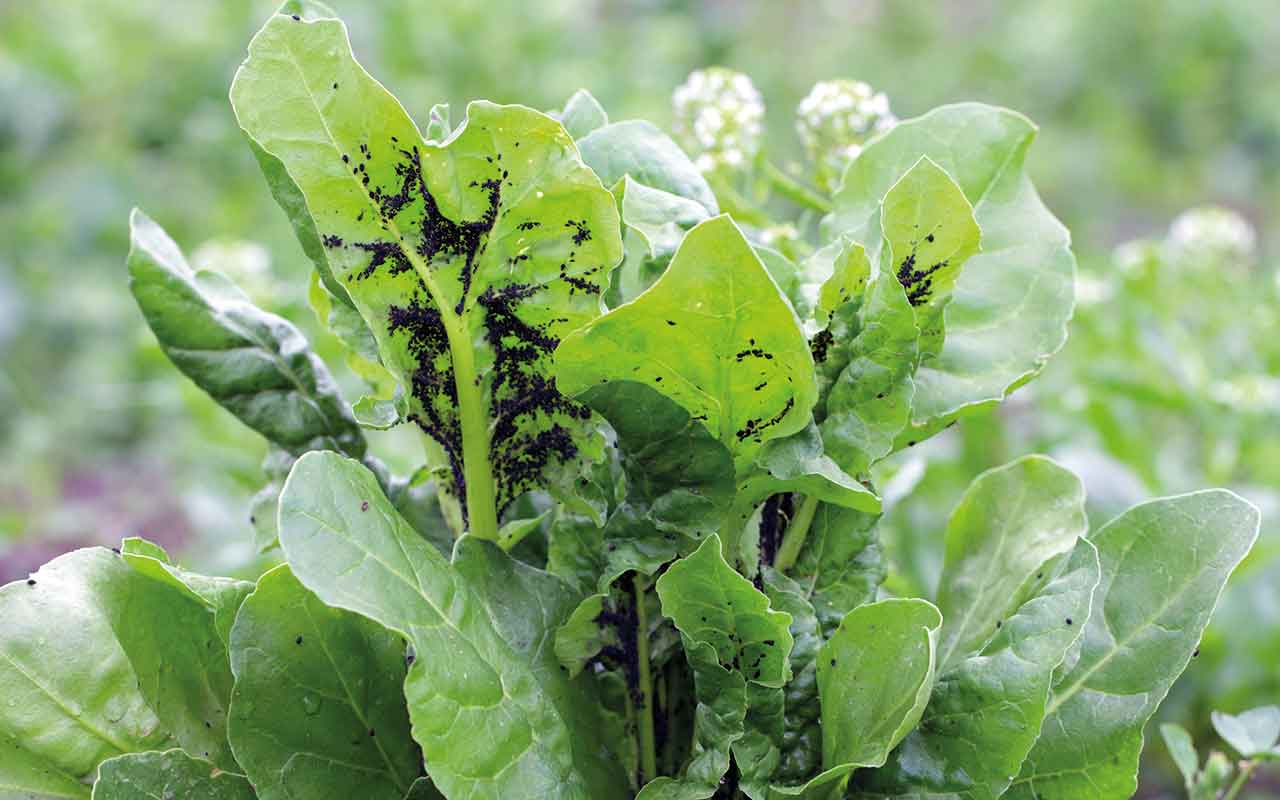
Aphids have appeared earlier on beet crops this year than in 2025 © Adobe Stock
Late control
Jim applied his first insecticides at the beginning of May, but says follow-up treatments cannot be ruled out. The British Beet Research Organisation (BBRO) has applied for an emergency authorisation for a fourth application. He feels this could be useful given the pressure.
However, he points out that although much of the chemical arsenal is pretty persistent, it does depend on the size of the plant.
“Hitting a plant when it has four to six leaves is far easier than when it is at the cotyledon stage. The improved coverage will prolong efficacy; an aphid landing on a treated leaf will probably succumb.
“But less-developed crops will not have the same level of protection, nor will any application translocate to new leaves. Although the threshold increases to one green wingless aphid per plant at the 12-leaf stage, we could see it reached, and crops at the cotyledon stage in early May might not reach the 16-leaf stage by mid-June.”
With chemical control a last option, he says it is another reminder to do the groundwork first. By that, he means an integrated strategy.
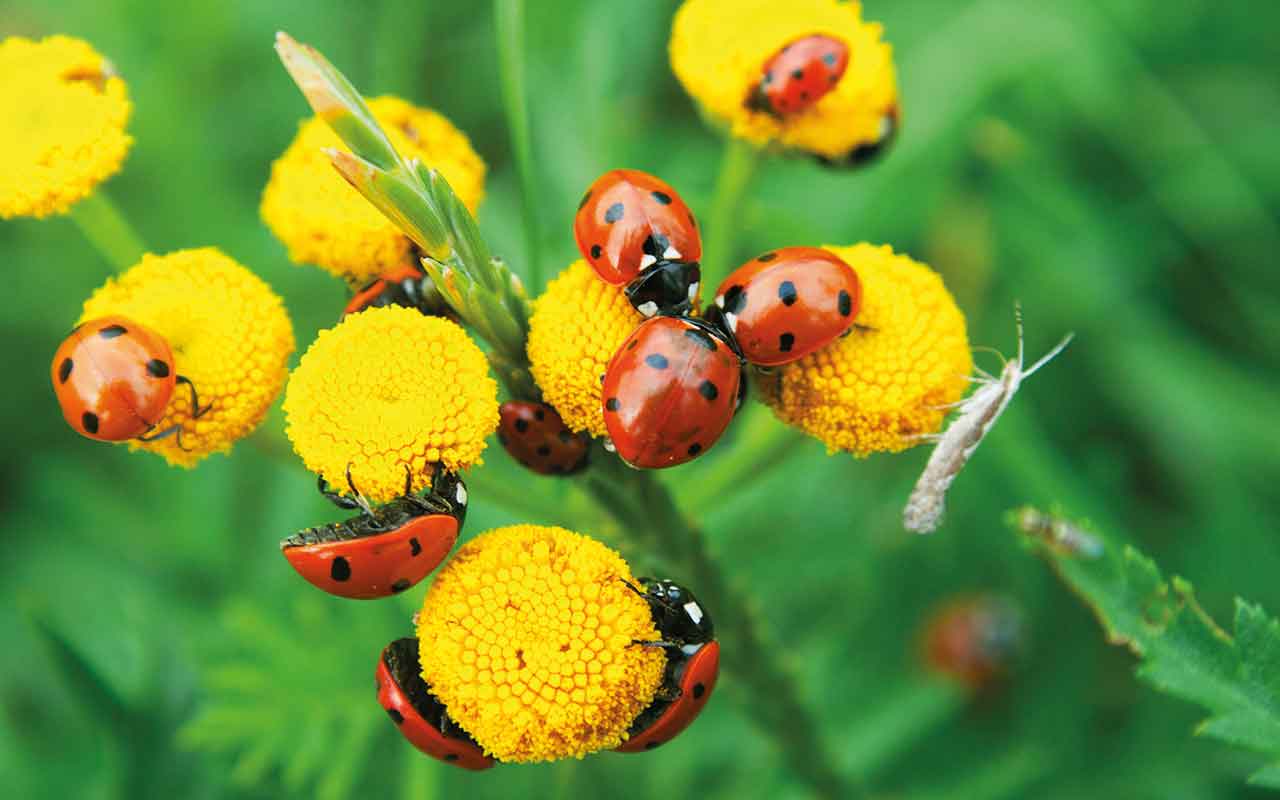
Growers should look to improve habitats for aphid predators, such as ladybirds © Adobe Stock
Green bridge
“We have to break the grain bridge,” Jim says. He knows this can be challenging with an unpredictable and changing climate, as growers often feel forced into getting a crop away when the weather breaks.
“Turning the soil over and drilling a crop a week after sheep were grazing stubble turnips is not ideal. Ideally, the soil needs to be bare for six weeks before the crop goes in. However, if drilling conditions are good, the crop should be established without delay, even if the green bridge has not been broken. As a general rule, the earlier the crop is established, the better.”
Jim also says best practice is needed when it comes to where aphids can pick up the virus. Loader heap and clamp hygiene needs to be thorough to prevent residue, or greening up as a potential source of virus. “That quarter load left somewhere on the yard needs treating,” he adds.
But he also questions whether a more rounded approach is needed. It’s not just milder weather that is favouring aphids, the farming landscape is too. With the implementation of the Sustainable Farming Incentive, growers moving back to OSR, and tree planting hitting a 20-year high (up by 27% in 2024-25 over the previous season), the landscape is proving an ideal overwintering habitat for aphids.
This is unlikely to change with the practicalities of farming, but growers can take action to mitigate the effect.
Improving habitats for predators can help, such as planting pollen strips and nectar sources for ladybirds and lacewings. Jim thinks growers should work together when planning rotations in an effort to provide some distance between beet crops and potential overwintering habitats.
Insecticide use should be determined by their beneficial profiles. He advises growers to follow the British Beet Research Organisation guidance of reserving those with the better beneficial profile for later in the season, when predators will also be in the crop. “We only have three options and unless an emergency authorisation is granted, all can only be used once. It is important to start with acetamiprid [InSyst] at T1 and follow with flupyradifurone [Sivanto Prime] and then flonicamid [Teppeki], in that order.”
Companion crop benefits
Jim very much endorses a companion crop, with spring barley the preferred option. Those who are doing so typically see fewer aphids than those who don’t. It doesn’t eliminate the need for an insecticide, but where aphids are on the wing early, it does reduce the pressure early on.
He advises that care is needed when it comes to taking out the companion crop. “Growers need to be on their toes – it can quickly smother a crop,” he warns.
He feels cultural controls should start after harvest. Growers need to give great care to cover crop decisions, including whether they are required every season.
Species choice is important, too, as some are hosts. It might be better to opt for frost-susceptible species instead, such as buckwheat. “It seems rare to get a hard frost before Christmas nowadays, so it should survive to provide the benefits we wish to see, before getting thinned out or killed off by frosts in January. “
Jim says growers should reconsider the use of stubble turnips as cover crops. “When we had the post-cropping restrictions after using Crusier, it was one of the few available options for growers, and allowed some income from sheep grazing too. However, they are a host for the beet cyst nematode, which is a problem that is exacerbate by dry springs too.
“We are largely away from the post-cropping restrictions now, so growers have a lot more flexibility on species choice.”
Beet moth threat
ProCam agronomist Jim Nutting is concerned about beet moth this season. He has heard reports of larvae coming out of loader heaps or clamps. A wet June and July will dampen their threat, but if it remains dry, he fears a repeat of last season.
This was one of the subjects discussed at a recent British Beet Research Organisation (BBRO) workshop. Its head of crop protection, Dr Alistair Wright, said the moth had changed from being a sporadic problem to become an established pest across much of the beet-growing area.
First recorded in 2016, the first case as part of BBRO’s plant clinic was confirmed in 2020, with crop damage put down to boron deficiency. The problem is so serious now that the BBRO is developing a research programme to look for answers.
It will look at life cycle and behaviour, trapping and monitoring, cultural measures and chemical control.
Significant damage
The first serious infestation was in 2022, but little damage was reported in 2023 and 2024. But that changed in 2025. With above-average temperatures and prolonged dry weather, the moth proliferated and significant damage occurred. As a result, last year the BBRO produced a beet moth guide, complete with a scoring system developed by Richard Smart of British Sugar.
With little research on the species, getting the fundamentals right is the starting point. The BBRO is working with Fera to quantify the pest’s life cycle, which it hopes will lead to an integrated control strategy.
AI trapping technology
The BBRO is using artificial intelligence-driven technology at its CropWatch sites with its new Xfarm traps, which, according to crop production specialist Eleanor Towler, has made a huge difference to crop monitoring.
“This trapping will occur much earlier, so we can see the period of first infection, how numbers are building through the season and possible peaks and troughs of different generations,” she said.
It will also employ pair traps to build a picture of egress and ingress. It is unclear whether the moths are moving from field to field or migrating in.
Combining all the data captured should give the BBRO a better picture of numbers, movement and peak periods of activity. Eleanor said because the beet moth is a new species to the UK and much of Europe, little is known about it, including oviposition (egg laying). ”We haven’t found eggs yet,” she added.
When it comes to control, a range of options are being considered, including cultural controls and biologicals.
One novel strategy being explored with the support of a Rothamsted Research start-up is pheromone enhancement. This could draw males in from a wider area and effectively make the females sterile. This has proved successful in controlled environments, but needs to be tested in the field.
Nematodes, bacteria and fungal control agents are also being looked at. “Larvae can burrow into the petioles, nullifying the effects of conventional chemistry,” said Alistair. “Current conventional control options are limited.”
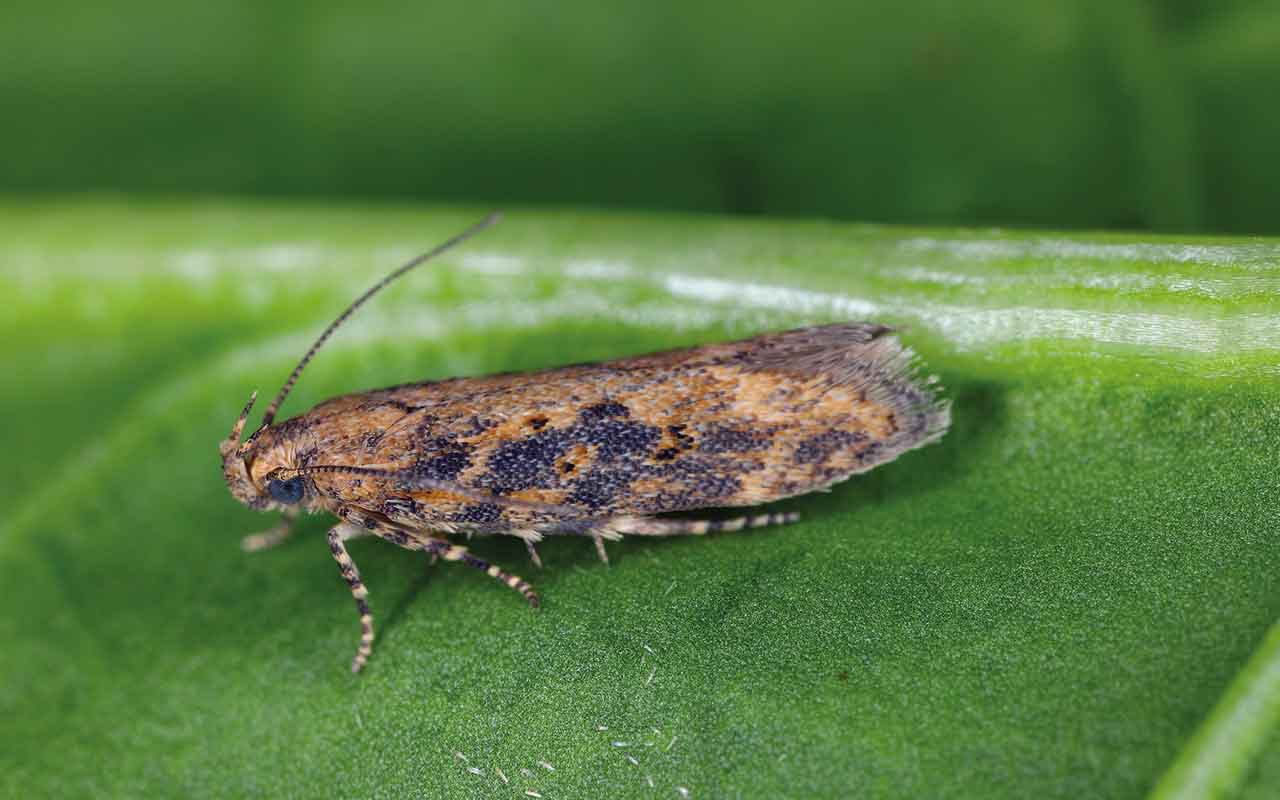
The BBRO has launched a three-year research project looking at beet moths © Adobe Stock
Jim will keep a close eye on the work the BBRO is doing. Last year, he trialled AgriOdur, but the product arrived later than planned, so the results were inconclusive.
When it comes to colouring the crop or camouflaging soils, he worries that while it worked on small plots at field scale, the aphids will need to land somewhere. Another option might be to leave a green sacrificial area per field.
Should dry weather continue, Jim will encourage those with irrigation systems to use them this June. He said irrigated crops had significantly less damage last season. He doesn’t know whether that was due to the water drowning out the insects, or just keeping the crop happy and upright so the moths couldn’t access the heart of the plant. He also said it was noticeable that where crops were grown on stronger land, which didn’t wilt, they showed significantly less beet moth damage