
A phosphate soil index of 2 could be misleading as growers think about OSR nutrition strategies for next season.
Phosphate is essential to build root structures for nutrient and moisture scavenging. However, ADAS senior crop research scientist Dr Christina Baxter says using the RB209 target level metric alone doesn’t indicate the amount of phosphate in available or unavailable forms. Therefore, cross-referencing this with grain analysis will offer a broader picture of how well the crop is accessing the available phosphate, indicate limitations and allow offtake to be calculated.
“It’s a chicken and egg scenario as the crop must forage to find phosphate but it can only develop the roots to do this if phosphate is available to the young plant. This highlights how important placement of phosphate is in the early stages of a crop’s development,” she notes.
Phosphate placement is a tool in the toolbox to improve crop access. Due to phosphorous being an immobile nutrient, there are also other factors to consider that affect its availability, such as soil structure, compaction and soil pH.
She continues: “Phosphate placement, in addition to slow-release products, can ensure sufficient phosphorous is available to the crop early in establishment. Therefore, growers should be considering how and what type of phosphate they are applying this autumn to ensure good availability of the nutrient.”
Assessing phosphate source
Good phosphate availability will allow quick development of OSR’s long tap root and side shoots, but growers should consider all phosphate sources to ensure they are providing the crop with accessible phosphate over a longer period, suggests Toby Ward, nutrition agronomist at Origin Soil Nutrition
“The risk of phosphate lock up in incorrect soil pH can lead to 90% unavailability very quickly following application,” he explains. “Phosphate moves just an average of 1mm in eight weeks, so increased availability at all landing sites will help plant uptake.
“Phosphate is only present in around 1% of the soil solution, which should be a caution for growers who’ve taken ‘P and K holidays’ in previous seasons to avoid reserves and indices dropping below the target level 2.”
One way to counter this is using a protected phosphate, such as Origin Enhanced Phosphate (OEP) he advises. It uses technology to provide immediate and slow release to the crop and prevent nutrient lock up.
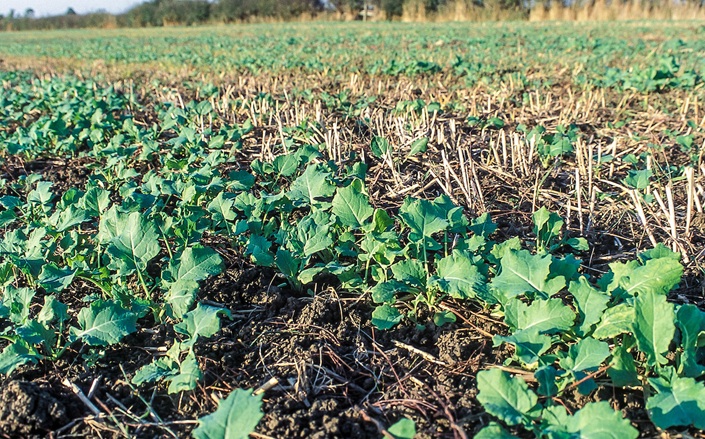
“Autumn establishment of oilseed rape crops relies on the right nutrition to build strong root systems and healthy cover to help fight any challenges ahead. Getting this right could mean OSR is once again the break crop of choice,” concludes Toby.