

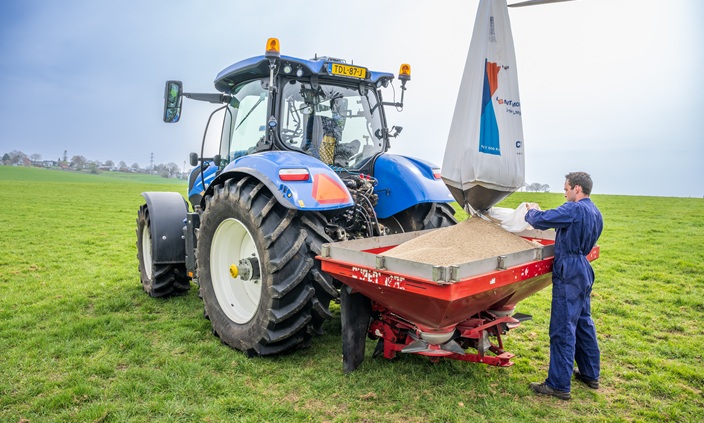
With carbon scrutiny set to tighten across the UK, Sam Leadbeater of OCI Global suggests growers should factor fertiliser origin and production footprint into their buying decisions in a bid to reduce hidden emissions on farm.
He says food supply chains are demanding clearer carbon figures, making it increasingly important for farmers to understand the emissions they inherit from fertiliser to satisfy buyers and future-proof their farms. And Farmers have more influence than they realise.
“When growers ask these questions consistently, it forces the wider industry to respond and encourages merchants, importers and blenders to prioritise products with stronger environmental credentials. “The more growers ask about fertiliser origin, the harder it becomes for the supply chain to ignore.”
He says decarbonisation does not have to start with expensive changes. The first step is understanding the emissions behind a product. “Two fertilisers can look identical on the shelf, but their production footprints can be vastly different depending on the site, the energy source used and the efficiency of the manufacturing process.”
Sam explains fertiliser often passes through several stages of the supply chain before it reaches the end user, meaning its carbon footprint can be unclear unless growers ask. “Nitrate fertilisers produced in efficient Western European facilities, particularly those using natural gas-based production and responsibly sourced ammonia, can offer lower-carbon options compared with products made using coal-based energy or less efficient ammonia production.
“For growers looking to reduce emissions, asking where fertiliser has come from is a practical first step. “The more that happens, the more pressure there is on the whole supply chain to be transparent and bring lower-carbon options through to farm,” he concludes.