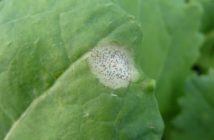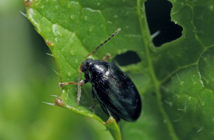

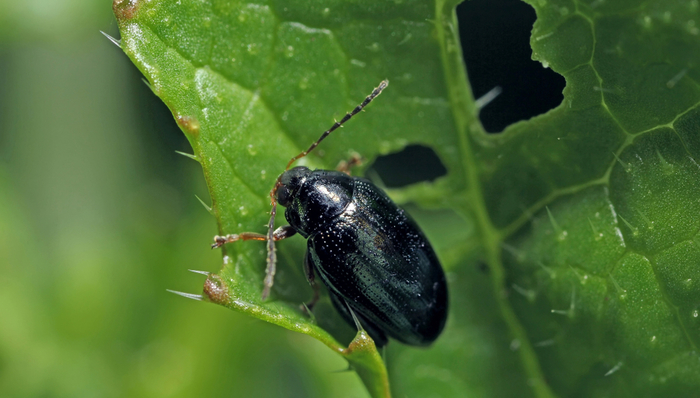
In simulated field experiments, plants sprayed with a mixture of SYN-A and lambda-cyhalothrin increased cabbage stem flea beetle (CSFB) mortality from 20% to 75% and reduced plant damage by at least 50% compared to lambda-cyhalothrin applications alone.
Scientists at Rothamsted Research and ApresLabs Ltd have demonstrated that SYN-A, a naturally derived synergist extracted from olive oil, can restore the effectiveness of pyrethroid insecticides against CSFB, the most devastating autumn pest of oilseed rape.
The research, published in Pest Management Science, reveals that combining SYN-A with the pyrethroid insecticide lambda-cyhalothrin increases pest mortality such that using just 20% of the standard insecticide rate together with SYN-A achieved 2.2 times greater control than applying the full insecticide dose without the synergist. Dr Samantha Cook, who led the study explained.
‘‘CSFB is the No. 1 insect pest of farmers right now due to their inability to control it using traditional insecticides as the EU has banned neonicotinoid seed treatments and the beetles have developed resistance against the permitted pyrethroid insecticide sprays. This tiny beetle is threatening oilseed rape production throughout the UK and much of Europe. The industry badly needs alternatives, but these are some way off in the development pipeline.’’
How it works
SYN-A functions by inhibiting cytochrome P450 and esterase enzymes – key metabolic pathways that resistant insects use to break down insecticides. Laboratory studies demonstrated that this natural compound effectively blocks these detoxification mechanisms in CSFB.
Dr Graham Moores, Founder of ApresLabs Ltd who discovered, developed and patented SYN-A commented “I have long felt that synergists should be utilised to a greater extent in agriculture; SYN-A is a natural extract that allows a reduction in insecticidal rates whilst still overcoming resistance problems, with the concomitant environmental benefits this brings”.
Environmental considerations
While the findings offer promise to control CSFB, it has also been shown in the laboratory that SYN-A when mixed with lambda-cyhalothrin, similarly affected Microctonus brassicae, a beneficial parasitoid wasp that naturally controls adult CSFB. Dr Patricia Ortega-Ramos who carried out the study commented
“Microctonus brassicae is an important natural enemy of the adult form of CSFB; females use their ‘stinger’ to lay an egg inside the beetle and the parasitoid larva develops inside the living beetle killing it when exiting the host ready to pupate. It provides important natural control of CSFB and needs to be protected and encouraged in the farmed environment.”
The authors emphasise that these potential impacts on beneficial parasitoids highlight the importance of designing careful implementation strategies, including precision application outside peak parasitoid activity and continued evaluation of other non-target effects.
The findings align with European Union targets to reduce insecticide use while maintaining effective pest control. By potentially allowing farmers to use 80% less insecticide while achieving superior control, SYN-A could represent a significant step toward more sustainable agriculture. With few new active ingredients coming to market, compounds like SYN-A may extend the useful life of existing insecticides by overcoming resistance mechanisms. The research team emphasizes that larger-scale field trials are needed to validate these findings at full field scale under realistic farming conditions.