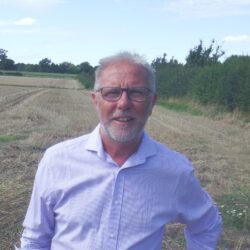
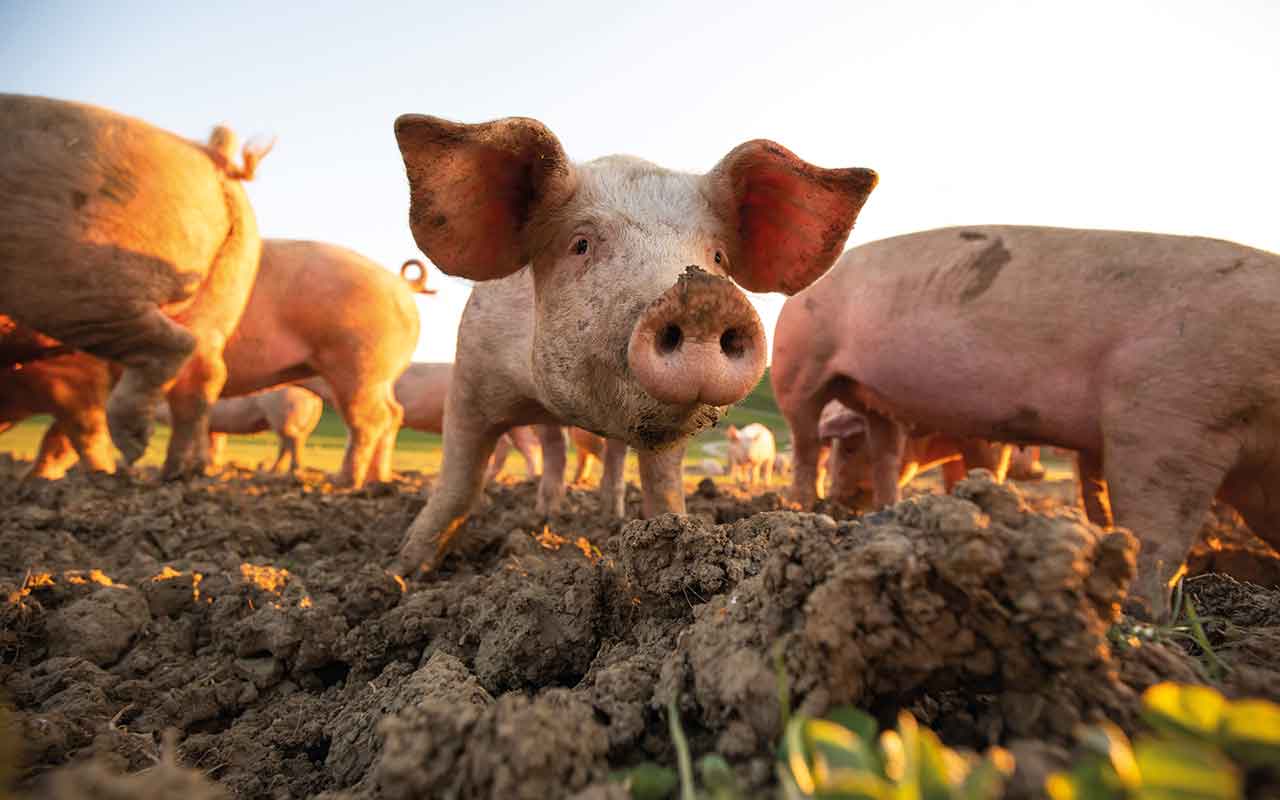
When it comes to pigs, Elveden Estate manager Andrew Blenkiron knows a thing or two. His farming life started on a Northumbrian pig unit that followed the Richard Roadnight blueprint for outdoor pig production.
The estate has two indoor pig finishing units and a partnership with pig producer Wrights of Brettenham, which acts as agistors for Ian Mosey pigs. When taking over management duties, he soon added a free-range 1,200-sow breeding unit to England’s largest lowland ring-fenced farm.
Another 1,200-sow unit will follow shortly. Covering 40ha at a stocking density of 30 sows/ha, it will fit into a six-year rotation comprising sugar beet, potatoes, onions or parsnips, and then a winter cereal, before going back into two years of pigs.
“I’ve always been a fan of pigs in an arable system. If you’re putting 1.25t of feed into every sow every year, there has to be a residue benefit,” he says.
This is especially true where there are potatoes and sugar beet in the rotation. “The ability of pigs to ‘clean’ fields following potatoes is exceptional, particularly for taking out small seed potatoes after harvest,” he adds.
There is more to it than just taking out volunteers to reduce the risk of potato cyst nematode. As fervent foragers, pigs are also great at trampling down tops so they break down quicker.
Soil fertility benefits
Despite being a good break, Andrew believes the bigger benefit is increased soil fertility. AHDB data shows a single sow can excrete 80-90kg of nitrogen and 15-20kg of phosphorus a year.
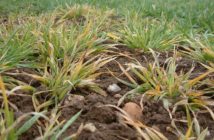
Although no pigs have been moved yet, experience tells him that when they are moved, the fields they were in will look better and be more productive. In the past, wheat was healthier and more forward in the nutrient-rich strips where the pigs had been.
To avoid strips of high- and low-nutrient soils where the pigs have and haven’t been, the straw and muck from the bottom of the arcs will be piled into heaps and allowed to break down before being spread.
Sugar beet will go into the stale seedbed. The deep taproot is extremely good at searching out the nutrients left behind, helping to create a good soil structure for the following crops in the rotation.
High reward for little risk
It is also a low-risk, high-reward strategy. Wrights provides housing, labour, machinery and water, while veterinary provision, breeding and feed are supplied by Ian Mosey Pigs. “Depending on the contractual arrangements, the financial reward to the landowner or farmer can be as high as £1,250/ha,” adds Andrew.
That is a big benefit, as many arable enterprises are short on animal husbandry skills. This isn’t the case at Elveden, but it just suits the system.
Andrew is keen to look at how improvements can be made, so he is investigating the use of cover crops ahead of moving the pigs onto the land. “Many are realising that when putting them onto stubble, there is nothing to stop the nitrogen just going through the soil.”
It is a work in progress, but his experience will be useful here. When managing a farm in Dorset, pigs proved very useful in preparing the ground for dairy cows and then wheat. Following autumn-sown grass and a couple of silage cuts in the spring, the pigs were moved onto the land. As it is an organic business, the sows were moved and the piglets left to finish. What Andrew found was a grassland that was so rich that dairy heifers could go straight on.
He also says stocking density isn’t important when it comes to soil health – growers will still see fertility and cleaning benefits. Stocking density at Elveden is based on assurance requirements.
Pointers for introducing pigs
For those who are considering introducing pigs, Elveden Estate manager Andrew Blenkiron points out possible pitfalls. “You have to have the right soils – light and free-draining. This isn’t so much for the pigs, it’s for the machinery you will need.”
At Elveden, this is being offset by a targeted feeding regime to cut passes and waste. The pigs are getting exactly what they need dispensed into troughs.
Topography is also important. Where the land slopes, water provision might be challenging. More importantly, run-off has to be considered, which might require a form of land barrier or dam to protect environmentally sensitive areas. “The pigs can pack down the surface, so water can easily run off.”
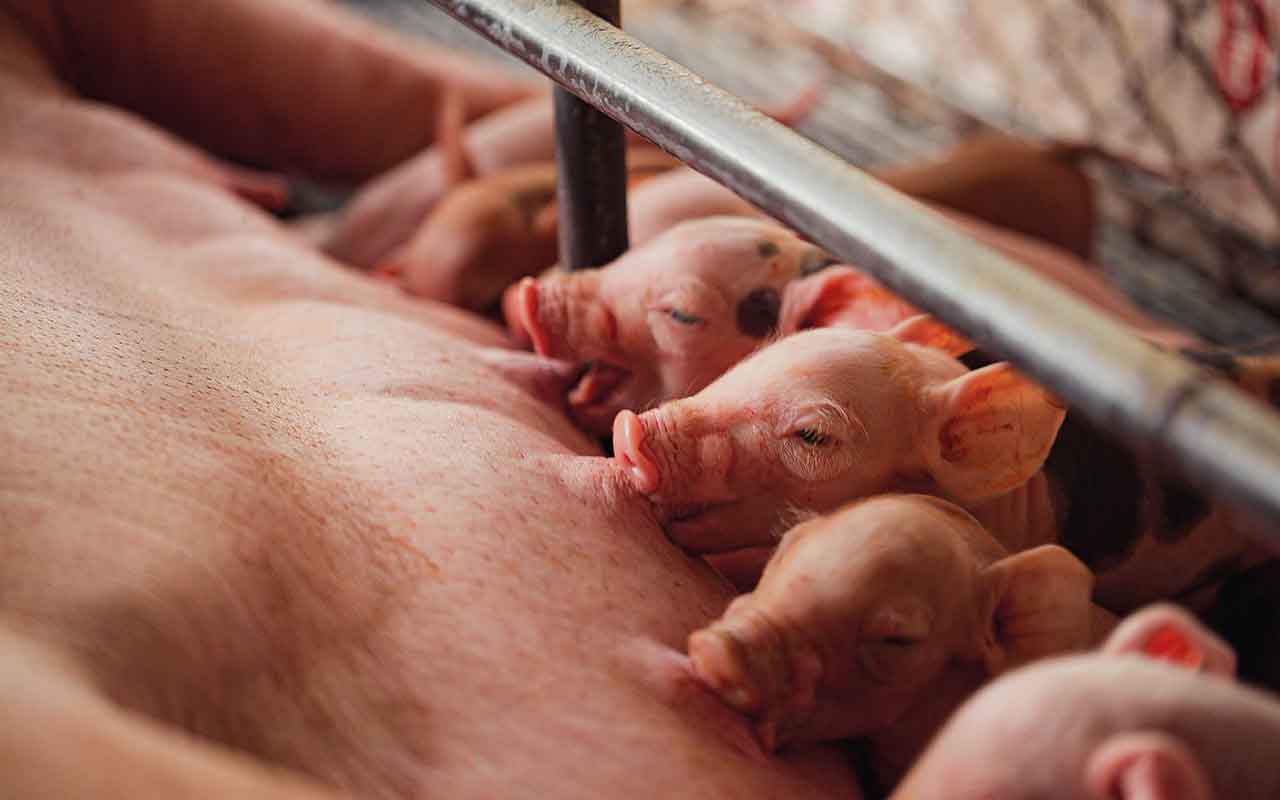
© Adobe Stock
Remedial work
Further remedial work can be required once the animals have been moved off. Andrew has been amazed at the size of some of the wallows that have needed to be filled in. He says it can be unwise to rely solely on electric fencing, especially for fields close to a main road.
“The last thing you want is a sow sauntering off onto a busy highway. It could result in more than just the loss of a pig.”
He doesn’t see scale as that important. A smaller enterprise might be able to tap into a local market via a third party, although it is more likely they will have to go it alone. But he advises farmers to be prepared for the fact a sow can produce 30 piglets a year.
Data from Harper Adams shows there are now more than 1,500 farm shops across the UK, and the number of independent butchers has also risen. Research has shown a shift in the number of consumers who are prepared to pay more for food they consider being from sustainable sources.
Indeed, this is the case at Elveden. It has a thriving farm shop selling local produce, including the estate’s venison. The piglets are finished elsewhere, so it isn’t viable to retail pork this way.