With margins under pressure, Cereals visitors will be able to compare high input, low input and untreated crop plots side-by-side at Diddly Squat Farm this June, as Ceres Rural sets out to show the real-world impact of crop management decisions on varieties farmers are growing now.
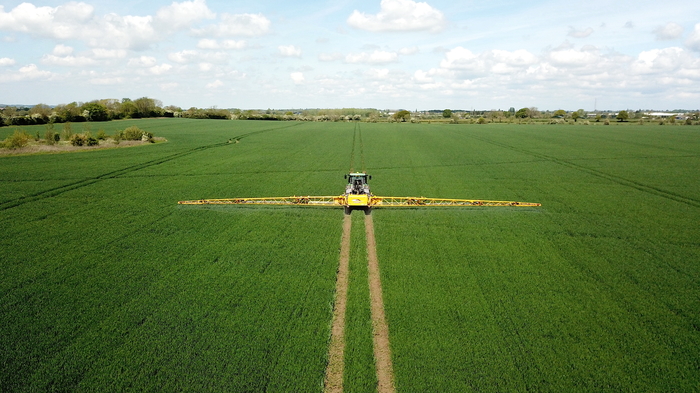
Instead of comparing one fully treated plot against one untreated plot, this new approach sees Ceres Rural running three treatment strategies across each crop plot to help farmers assess input spend, crop performance and potential return on investment.
The trials are designed to reflect commercial decision-making on farm, using varieties that growers are already managing in the field. Winter wheat varieties and blends in the trial plan include Skyfall, Crusoe, Vibe, Arnie, Extase, Dawsum, Bamford, Scope and Champion. The treatment programmes include high input approaches with fungicide spend at £107/ha for winter wheat compared alongside lower input fungicide spend at £60/ha and untreated controls.
Ceres Rural partner George Badger said the aim was to make the trials as relevant and useful as possible for farmers dealing with tight margins and difficult decisions around input spend.
“Margins are under huge pressure, so the question is not simply whether a crop looks better after a treatment, but whether that treatment has paid for itself,” he said.
“That is why we wanted to move beyond a simple treated versus untreated comparison. In the past, trials have had one plot where everything including the kitchen sink was thrown at it beside one left completely untouched and I’m not sure how much you can learn from that. By looking at high input, low input and untreated plots side-by-side, farmers will be able to see what different levels of investment are doing in varieties they recognise and may already be growing themselves.”
“The value of these plots is that farmers can see the impact of those decisions without taking the risk on their own farm first. We hope the trials will promote discussion, challenge assumptions and give visitors figures they can take away and think about in the context of their own businesses.”
Cropping diversity
The trial work will also include spring cereal and companion cropping options, exploring how growers can build more diverse systems even where Sustainable Farming Incentive support is not available.
Spring crop plots will include durum wheat, spring barley and spring oats, with companion crop and cover options including herbal leys, legume fallow and Charlie Ireland’s protein mix.
The protein mix is spring sown and designed to be foraged late summer, offering a practical example of how farmers may be able to introduce additional value, forage potential and diversity into arable rotations.
Some plots will be treated with herbicides, while others will remain untreated, allowing visitors to compare management approaches and discuss the practical considerations around weed control, companion cropping and establishment.
George said the companion cropping work would help farmers explore options beyond policy-driven incentives.
“There has been a lot of interest in companion crops and more diverse rotations, but many farmers quite rightly want to know what they can deliver in practical and financial terms,” he said.
“These plots are about showing what can be done, how crops and companion species behave together, and what options may still make sense even without SFI funding. It is a chance to have a very grounded discussion about establishment, management, forage value and where these approaches might fit.”