Wildfarmed and Lloyds Banking Group have partnered to pool investment to accelerate the transition to nature-positive farming and help secure the long-term future of the sector.
The partners say the ‘Food & Nature Resilience Fund’ comes at a pivotal moment for the sector, which can’t be faced by farmers alone. Analysis by the Green Finance Institute, conducted with input from Defra and HM Treasury, estimates that ecosystem decline could amount to a 12% hit to GDP over the next decade if nature degradation is not addressed.
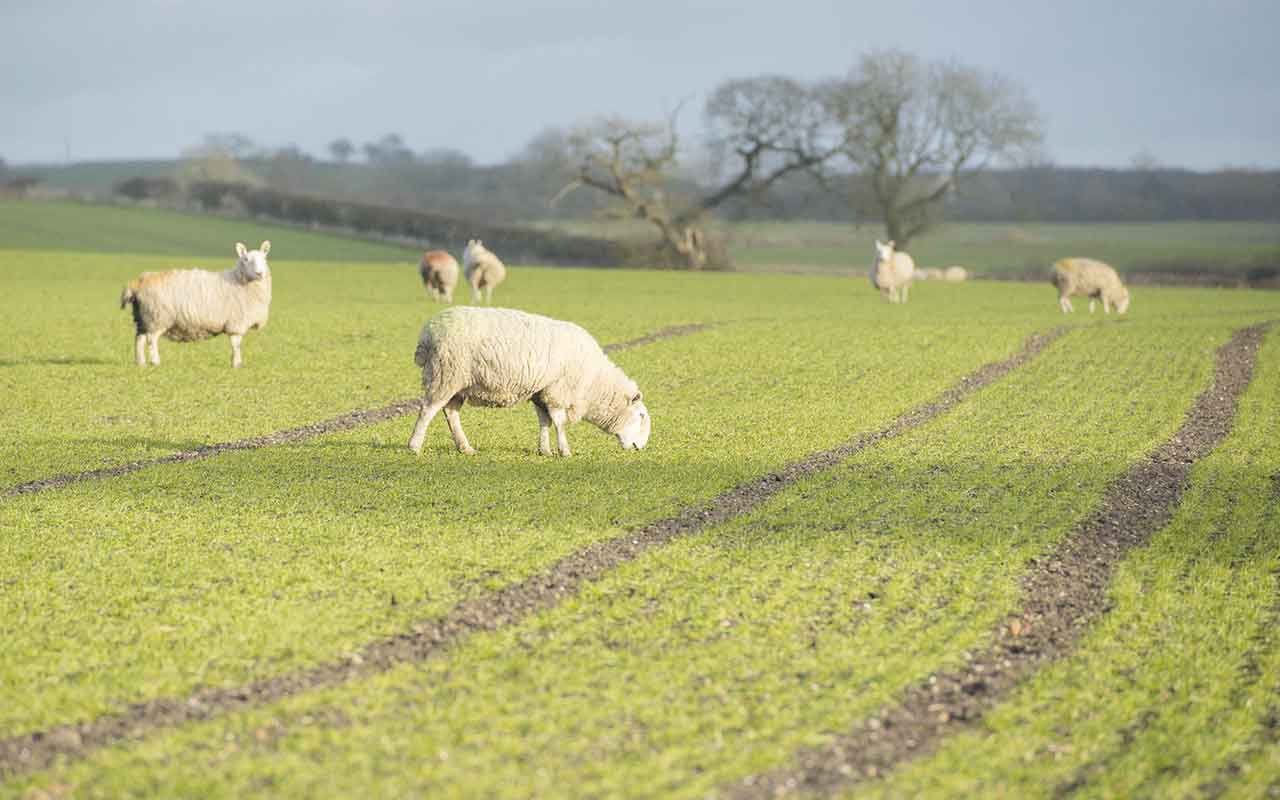
The fund is designed to incentivise farmers to farm with nature without taking land away from food production. This allows farmers to make positive improvements to nature recovery on their land, without compromising on economic outcomes. Unlike many existing nature finance schemes, this distinct fund supports the principle that nature recovery and food production are not competing priorities; to build a more sustainable food system, the UK needs to advance both at the same time.
The fund enables investment from banks, utility companies, insurers and other businesses across food and non-food value chains, bringing together organisations that share a common interest in more resilient food and farmed landscapes – but that are not directly connected to food supply chains – to help accelerate the transition of land to regenerative practices.
Water companies, Severn Trent and Affinity Water, along with global commercial insurer AXA XL, are among the first organisations committed to the initiative, with further partners expected to be announced.
By pooling investment across sectors to support farmers, the fund aims to create a model that better reflects the reality of farming as central to a resilient economy. A fundamental principle of the fund is that the shift to regenerative practices must be commercially viable for the farmers undertaking it.
Ben Makowiecki, agriculture sustainability director at Lloyds, said: “We have a responsibility to support farmers during this transition. By bringing together businesses with a stake in resilient farming, healthy soils, clean water and thriving natural ecosystems, this fund can help set in motion the pace of change needed to scale regenerative agriculture across the UK while creating a more reliable financial model for farmers.”
The University of Bristol recorded a 79% increase in insect biomass compared to conventionally farmed land (2024). Research organisation NIAB (2025) also found 15 Red List bird species – some of the UK’s most endangered – recorded within Wildfarmed fields.
That wildlife is returning to actively farmed, food-producing land demonstrates that nature recovery and agricultural productivity are not mutually exclusive, and that with the right farming practices and financial support, both can be achieved at scale.