A recent report on two farmer-led conservation groups shows how coordinated action across whole landscapes can reverse the long-term decline of some of England’s most threatened farmland birds.
Supported by the Game & Wildlife Conservation Trust (GWCT), the Farmer Clusters of Martin Down in Hampshire and Dorset and Allenford in Hampshire and Wiltshire have reversed dramatic declines in a range of wildlife species while feeding the nation.
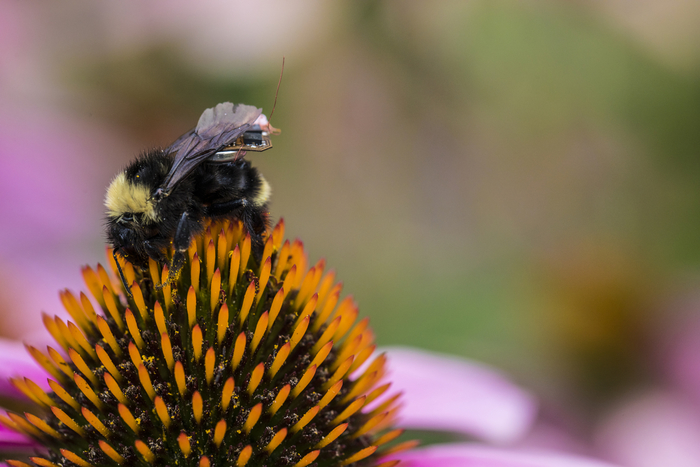
Ten years of monitoring have recorded a 271% increase in the number of breeding pairs of grey partridge (against a national decline of 93% since 1970) at the Allenford Farmer Cluster. In addition, a 48% increase in butterfly diversity, plus a 25% increase in bumblebee species, has also been recorded.
At Martin Down Farmer Cluster, red-listed corn buntings, which have nationally declined by 83% in the UK since 1967, have increased by an impressive 346%, grey partridge numbers have gone up by 147%, and butterfly abundance has increased by 183%, with the diversity of species rising by 28%. Other wildlife that has benefitted includes rare arable plants, turtle doves, barn owls, swifts, harvest mice, kestrels, brown hares and all farmland birds.
The conservation successes have been achieved by creating habitat and linking it up with their neighbours, suggests the GWCT. For example, the Martin Down Farmer Cluster has over 100ha of new grass and flower margins, a 50% increase in wild pollinator habitat, double the number of water scrapes for turtle doves and 600 hectares of grey partridge habitat alongside predation management by gamekeepers. Besides considerable private investment by the farmers themselves, many of these measures are funded through agri-environment schemes, demonstrating their vital importance.
Also, the support of an experienced facilitator who can coordinate habitat creation across neighbouring farms on a landscape scale is considered useful.
Facilitator for both Farmer Clusters Megan Lock said: “I’m so proud of the efforts of two groups of farms and estates who, by working together, have proved that the Farmer Cluster model, combining sustainable agriculture with species recovery, is the solution to tackling the biodiversity crisis. Biodiversity recovery on a national scale will only be achieved with the right support for farmers, who together manage 72% of the UK land area. Nature reserves only cover 8%, so will not be enough on their own.”
Chair of Allenford Cluster and farmer Will Dickson added: “It is so encouraging to read the report on our conservation work and see how some species have flourished over the last few years. The cluster group is in great health, the enthusiasm displayed by everyone is contagious and we are looking forward to new ideas and projects that will continue to enhance the biodiversity throughout the area.”