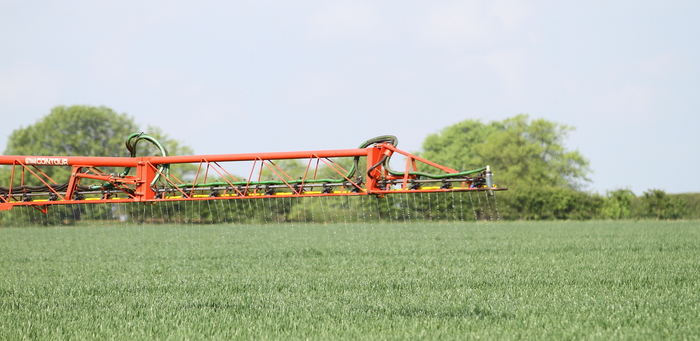
Analysis of wheat crops across a broad sample of Ceres Rural’s clients’ farms reveals that higher yields were not simply the result of higher spend, but of better targeting of sprays and fertiliser in response to disease pressure and yield potential.
Speaking at the Association of Independent Crop Consultants (AICC) annual technical conference, Ceres Rural’s Dan Matthews noted that in many cases, relatively small reductions in input costs, when combined with sound crop management, delivered double-digit percentage improvements in profitability.
He also highlighted the structural challenges facing UK arable farming. On a global comparison, the UK has some of the highest variable costs of wheat production, driven by climate, pest and disease pressure, and regulatory constraints.
With inflation eroding returns and input prices remaining stubbornly elevated, scrutiny of cost and performance is now essential rather than optional, he said.
“In this environment, independent advice becomes more valuable, not less,” he told delegates. “The margin for error is smaller, and every decision carries more weight.”
Resilient systems
He emphasised the need to build systems resilient to extreme seasons rather than average years, strengthen soils and rotations to underpin reliable yields, and make greater use of benchmarking, data, and peer-to-peer learning to drive improvement.
Dan also cautioned that while technology offers significant potential, its value lies in evidence-based application rather than innovation for its own sake. Independent agronomy provides the critical filter between innovation and on-farm decision-making.
“Evidence from long-term data is clear. Yield is a function of management, not inputs alone. The challenge for arable businesses today is not just about yield, but managing volatility, risk, and margins far more precisely than in the past. Independent agronomy plays a vital role in helping arable businesses invest wisely, manage risk, and remain profitable in an increasingly uncertain operating environment,” he concluded.