
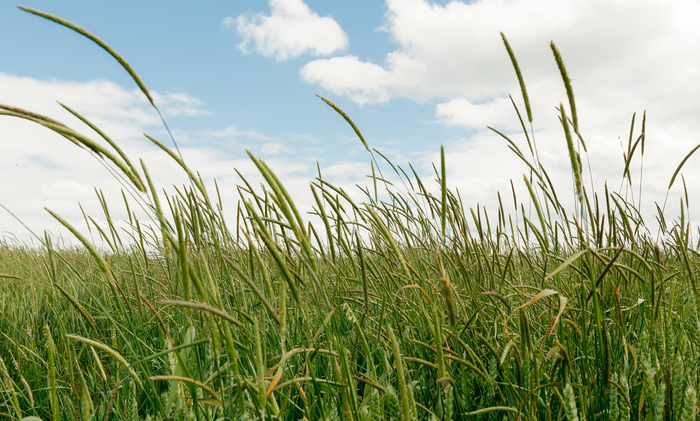
It’s the last chance to control blackgrass, experts are warning. “Mow too early and blackgrass won’t die, it’ll just re-tiller from the bottom and produce heads later,” says ADAS, senior research scientist and arable weed specialist, Dr Sarah Cook. “Once it starts producing seed it stops thinking about producing new tillers and concentrates on producing seeds, that’s the time to take it out – usually the first two weeks in June.
Nick Sanderson of Northumberland-based Tynegrain agronomy highlights the importance of taking measures beyond those plants you can see above the crop.
“If you’re spraying off a patch and can see the ‘end’, give it an extra meter or two. Often, when you look beneath the crop canopy, there are extra tillers or smaller plants. If you stop at the patch edge, you won’t catch these and they will seed.”
Stuart Kevis, Business Development Manager at BASF, advises the need to target smaller grassweeds. “Both ryegrass and blackgrass can regrow and seed after mowing, especially when top cutting. Here, smaller plants that are growing beneath the canopy are unaffected.
“Even where the crop is also mown, grassweeds can re-tiller and go on to produce viable seeds later in the season,” he warns. “It may require multiple passes to stop any regrowth setting seed.
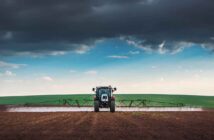
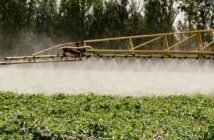
“Spraying off is probably the most reliable and practical way to remove in-crop grassweeds. It is important to completely kill the plants. Ensuring glyphosate penetrates the crop canopy is needed to catch those shorter grassweeds.”
Map it
Simon Roberts from CCC Agronomy in the South East says knowing precisely where the grassweeds are is essential for short and long term control.
“Where we share apps with farmers and operators, we will drop a pin wherever there are wild oats, blackgrass or ryegrass. At this time of year, they will either go back out and mow, rogue or spray it with glyphosate.”
“Mapping helps inform harvest and drilling – avoid harvesting the worst fields first, if possible, to prevent further spread around the farm with the combine. Or leave patches within a field until last and then clean the combine thoroughly, ideally not in the field gateway!
“In autumn the maps will determine which fields we should delay drilling. Maximising the opportunity for grassweed germination before the crop is drilled.”
“Dormancy is developed in the period where the seeds start to ripen,” notes Sarah. “Historically, that’s been around the same time as Wimbledon, but that’s moved a bit now, though the tennis is still a good indicator. About a week before Wimbledon take note of the conditions. If it is hot and dry dormancy is likely to be low. Where we have a cold, wet summer, it’s more likely to be high and that’s when we could have trouble getting black-grass to chit in the autumn.”
Experts agree the window for action against this year’s seed return is closing rapidly. “Grassweed control is a numbers game,” reminds Stuart. “If we don’t take every necessary precaution, the cost from lost yields and population growth is alarming. Just 10 blackgrass plants per square metre is often deemed a ‘low pressure’ scenario, but the resulting 10% yield loss that this can incur, shows that taking our eye off the ball simply isn’t sustainable. Even when facing seemingly “low” numbers now, taking action today could make all the difference – not just for next autumn but for years to come.”